Storm Damage in San Antonio: First Steps After Hail or High Winds
A practical, step‑by‑step guide for San Antonio and Texas Hill Country homeowners on safely checking for roof and gutter damage after hail or high winds, documenting evidence, and when to call a trusted local roofer.

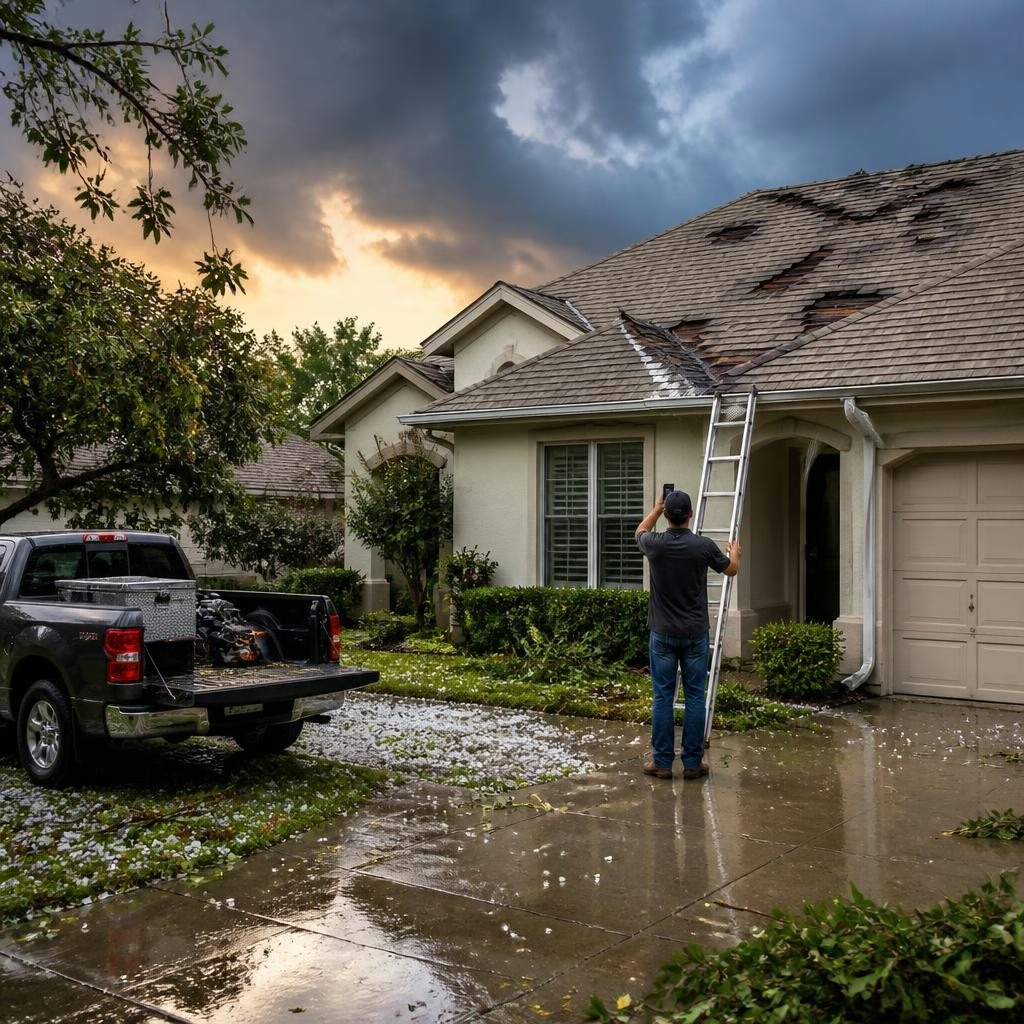
Put safety first
After a storm, your first priority is personal safety. Stay off the roof—wet, wind‑damaged surfaces and loose shingles create a high fall risk. Beware of downed power lines and report them immediately to the utility company. If you see active leaks inside your home, move valuables out of the way and place buckets under drips, but avoid standing under sagging ceilings. For anything that looks unstable or dangerous, wait for professionals who have the proper safety equipment.
Begin a ground‑level exterior check
From the ground, walk a full circuit around your house and look for obvious signs of damage: missing or curled shingles, bare spots where granules are gone, dented or detached gutters, loose flashing, and fallen debris. Check gutters and downspouts for dents or blockages; seamless gutter systems can be vulnerable to impact from hail or tree limbs during high winds. Note any areas where shingles appear to be lifted or where sunlight can be seen through the roof.
Photograph what matters for claims and repairs
Good photos speed up insurance claims and help contractors give accurate estimates. Take wide shots that show the entire roof slope and its relation to the rest of the house, then take close‑ups of damaged shingles, flashing, gutters, vents, and any dents in metal components. Photograph interior damage (stains, wet insulation, sagging drywall) and any fallen debris with a time stamp if possible. Keep photos organized by location and date so you can share them easily with your insurer and a roofer.
Check the attic and interior carefully
If it is safe to access your attic, look for water stains, wet insulation, or daylight showing through the roof sheathing—these are signs of a compromised roof. Inspect ceilings and walls for new discoloration or bubbling paint. Do not touch exposed wiring or soaked electrical fixtures; if you suspect widespread water intrusion, consider turning off power to affected areas and calling an electrician or professional roofer for a controlled inspection.
Decide when to call a roofer and when to use temporary measures
Small, non-structural issues might be monitored temporarily, but visible missing shingles, widespread granule loss, torn flashing, or interior leaks are reasons to call a licensed roofing contractor promptly. Avoid climbing the roof yourself; instead, arrange a professional inspection. If active leaks are letting water into your home, a reputable roofer can install a temporary tarp to protect interiors until permanent repairs are scheduled.
Document, notify your insurer, and vet contractors
Contact your insurance company as soon as possible to report damage and ask about the claims process. Keep all photos, receipts for emergency repairs, and written estimates. When selecting contractors, obtain written bids that list materials, labor, and timelines. Be cautious of door‑to‑door solicitors after storms; instead, use local, established companies. One recent customer review highlighted timely work and straightforward communication from First Due Gutters and Roofing, reflecting the kind of honest, reliable service to look for when choosing a contractor.
Why choose a local team in Kerrville and the Texas Hill Country
Local roofers know regional weather patterns, common roofing systems, and code requirements across San Antonio, Kerrville, and the Texas Hill Country. First Due Gutters and Roofing is firefighter‑owned and operated and specializes in residential roofing and seamless gutter systems—installation, cleaning, and repairs—so they can assess both roof and gutter impacts from hail or wind. For more information or to schedule an inspection, visit https://firstduegutters.com or contact a local office serving Kerrville, San Antonio, and surrounding areas.
A quick post‑storm checklist
1) Ensure everyone is safe and avoid the roof. 2) Take clear, organized photos of exterior and interior damage. 3) Put out buckets and move valuables away from drips. 4) Notify your insurance company and ask about next steps. 5) Get at least two written estimates and prefer local, established contractors. 6) If needed, arrange for temporary tarping rather than risky DIY fixes. Following these steps will help protect your home, support a smoother claims process, and speed the path to a reliable repair.
Customer review


Article by
First Due Gutters and Roofing
First Due Gutters & Roofing is a firefighter-owned and operated business serving Kerrville, San Antonio and the surrounding Texas Hill Country. We specialize in residential roofing and seamless gutter systems, including installation, cleaning, and repairs. Our team is dedicated to honest pricing, quality craftsmanship, and dependable service you can trust. Whether it’s a new roof, gutter replacement, or storm damage repair, we respond quickly and treat every home as our own. Built by firefighters, done right the first time.