Roof Ventilation and Attic Heat: Keeping Your San Antonio Home Cooler from the Top Down
How attic airflow, ridge vents, and other ventilation features affect indoor comfort and shingle longevity in South Texas, how to spot poor ventilation, and practical steps San Antonio and Texas Hill Country homeowners can take.

Why attic ventilation matters in South Texas
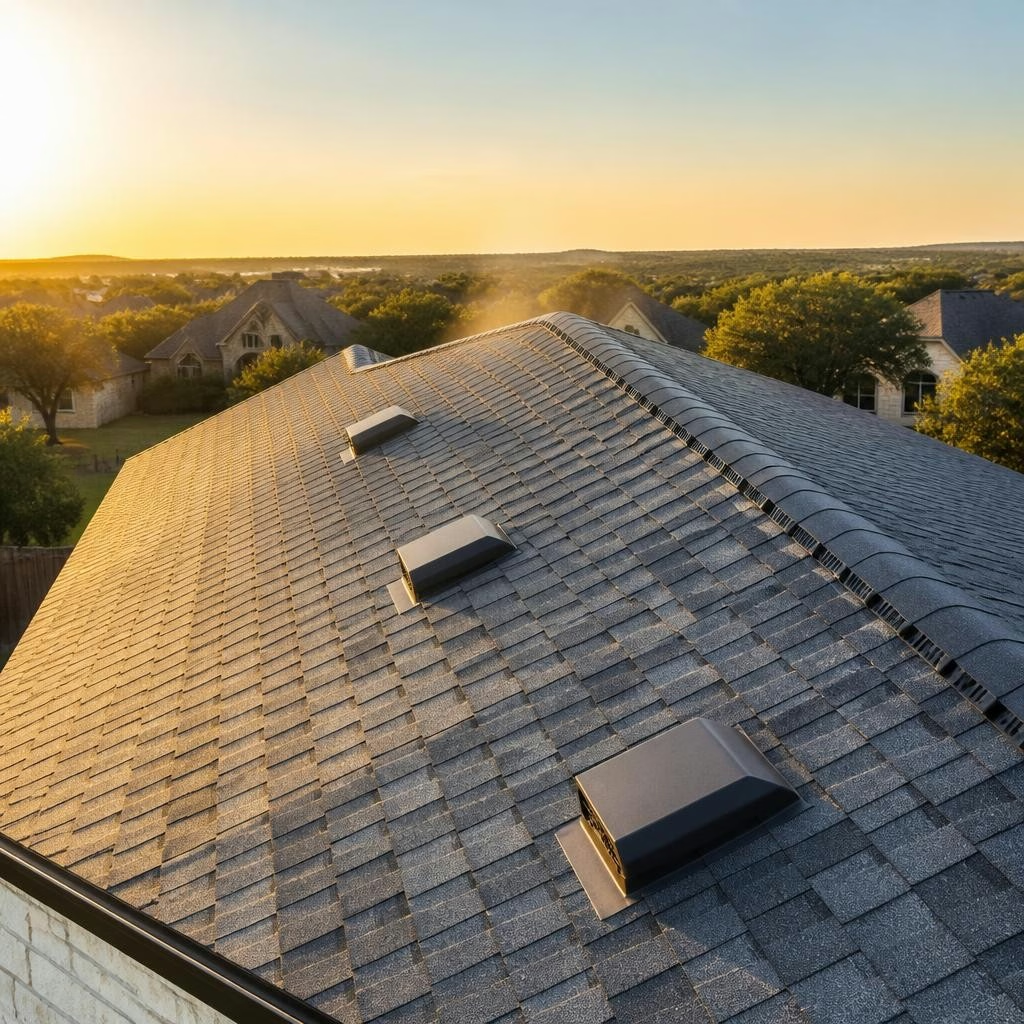
In San Antonio and the Texas Hill Country, long stretches of high temperatures put extra stress on roofs and home cooling systems. Warm attic air raises indoor temperatures, forces air conditioners to run longer, and can accelerate shingle wear. Proper ventilation helps move hot, moist air out of the attic and bring in cooler outside air, reducing heat transfer into living spaces and extending the life of roofing materials.
How different vents work together
A balanced attic ventilation system relies on intake vents (usually soffit vents) and exhaust vents (such as ridge vents, roof-mounted box vents, or gable vents). The ideal arrangement creates a steady airflow: cool air enters low under the eaves and warm air exits high along the ridge. Ridge vents combined with continuous soffit intake are a common and effective passive solution for creating that airflow without mechanical equipment.
Pros and cons of common ventilation options
Passive systems (soffit + ridge) are low-maintenance and operate without electricity, making them efficient for most homes. Gable vents can help in some roof shapes but rarely replace a continuous ridge-soffit system. Powered attic fans can lower attic temperatures quickly but may draw conditioned air from the living space if the attic and house are not properly sealed; they also add mechanical maintenance. Choosing the right approach depends on roof design, attic insulation, and how the home’s ducts and air barriers are configured.
Signs your attic ventilation may be inadequate
Watch for these warning signs: noticeably higher indoor temperatures on upper floors; an attic that feels extremely hot to the touch on sunny afternoons; premature shingle aging such as curling, blistering, or granular loss; persistent attic condensation or musty odors; and higher-than-usual cooling bills. Clogged or painted-over soffit vents, blocked intake by attic insulation, and restricted attic airflow around roof penetrations are common, fixable causes.
Simple checks and homeowner steps
Start with visual checks. From the attic, look for daylight at the soffits and clear pathways to ridge vents; inspect for insulation blocking intake vents; and confirm that roof vents are not obstructed by debris. Ensure attic access is sealed so conditioned air isn’t pulled into the attic. Improving attic insulation and sealing ductwork will often complement ventilation improvements and produce noticeable comfort gains. For safety, perform attic checks carefully and consider using a flashlight and a partner.
When to call a roofing professional
If you notice shingle deterioration, persistent condensation, or suspect the roof’s ventilation isn’t balanced, consider a professional evaluation. A roofing contractor can assess roof vent placement, inspect for damaged flashing or shingles, and recommend ventilation upgrades that integrate with any roof repair or replacement. First Due Gutters and Roofing, a firefighter-owned company serving San Antonio, Kerrville and the Texas Hill Country, handles residential roofing and seamless gutter work and can evaluate ventilation concerns when working on your roof. Local customers consistently note the company’s dependable crews, honest communication, and quality workmanship.
Seasonal maintenance and next steps
In South Texas, check attic ventilation and gutters before the hottest months and after major storms. Gutter performance affects roof edges and ventilation effectiveness — keeping gutters clear helps prevent water damage that can compound ventilation issues. If you’d like a roof-focused ventilation review or have noticed any of the signs above, contact First Due Gutters and Roofing to discuss an inspection or estimate. Visit https://firstduegutters.com or call (830) 777-7150 to schedule service or ask about roofing and gutter options in Kerrville, San Antonio, and the surrounding Hill Country.
Article by
First Due Gutters and Roofing
First Due Gutters & Roofing is a firefighter-owned and operated business serving Kerrville, San Antonio and the surrounding Texas Hill Country. We specialize in residential roofing and seamless gutter systems, including installation, cleaning, and repairs. Our team is dedicated to honest pricing, quality craftsmanship, and dependable service you can trust. Whether it’s a new roof, gutter replacement, or storm damage repair, we respond quickly and treat every home as our own. Built by firefighters, done right the first time.